Biophilic Surfaces: Stone, Tone, Texture

Share it:

A biophilic material palette
Biophilic design continues to shape commercial interiors, with stone, timber and textured surfaces offering a more considered approach to material specification. When building these schemes, combining stone-effect finishes with timber tones and tactile textures can help introduce visual calm, depth and variation, while maintaining the durability and consistency required for large-scale projects.
A softer material palette
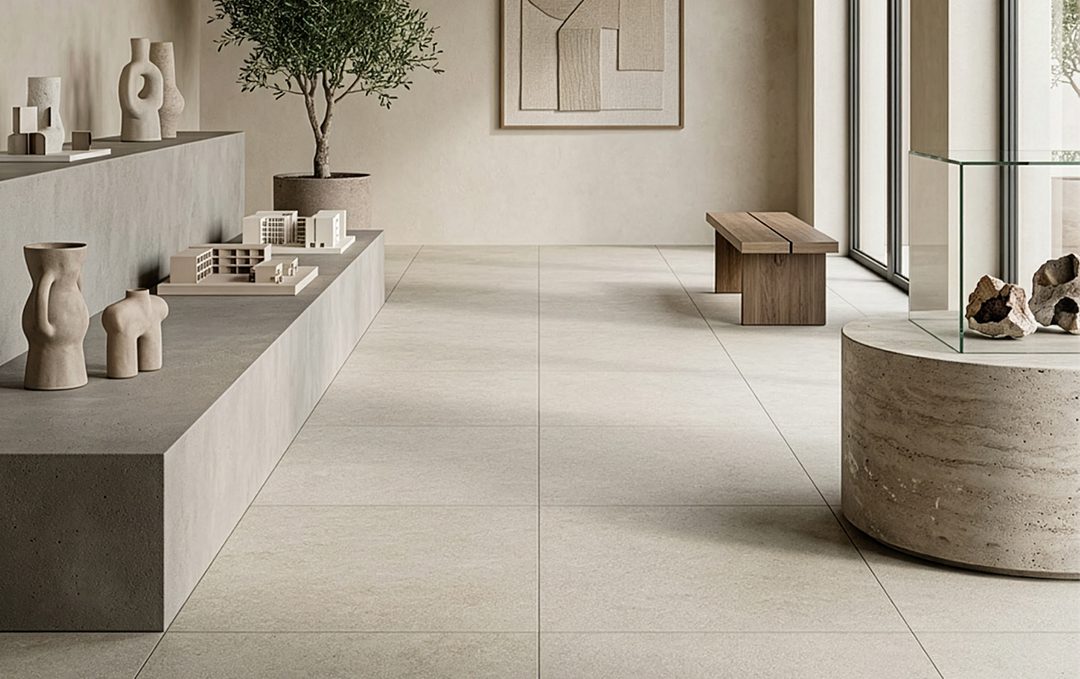
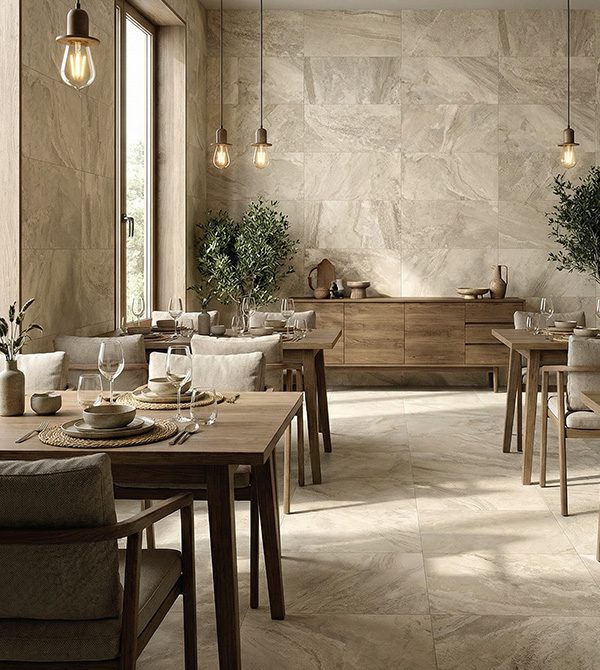
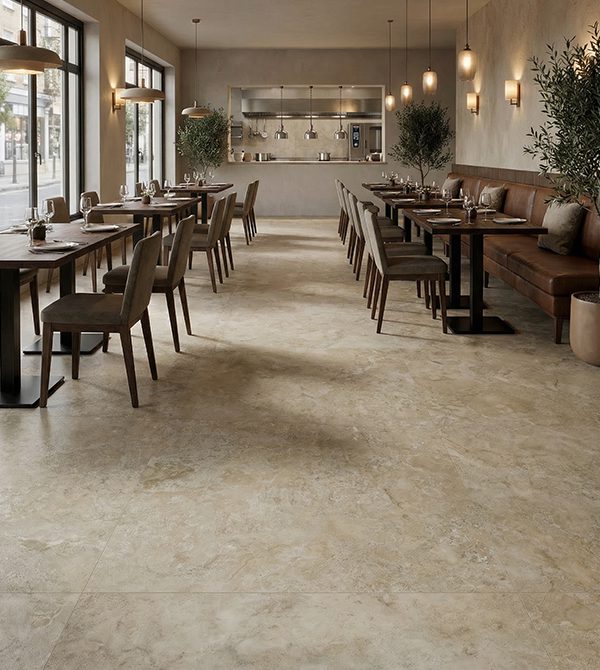
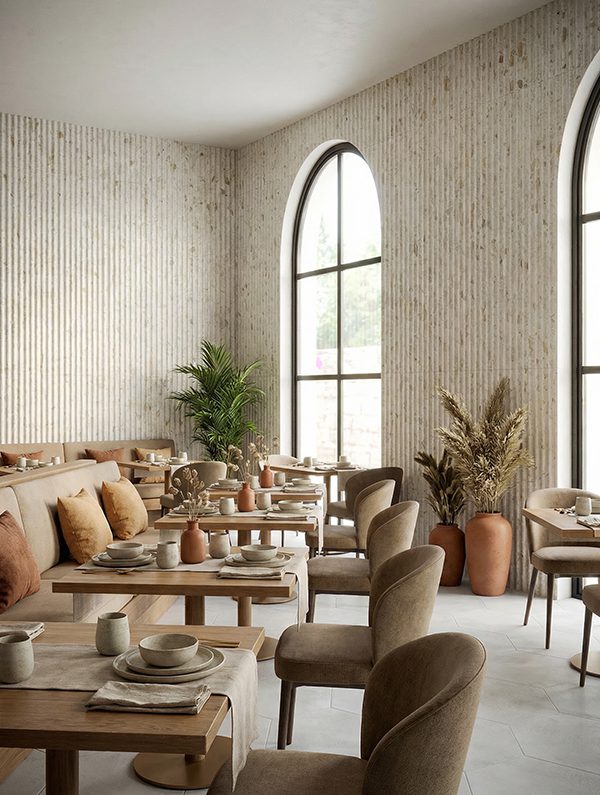
Warm, earthy tones are increasingly replacing cooler greys across commercial schemes, with sand, taupe, clay and muted mineral shades forming a more grounded, human-led base palette. Used across walls and floors, these tones help establish calm, cohesive environments that support both aesthetic intent and long-term performance.
Apolith ELIA5912
Beno ICDC47995
Legacy Stoneworks BOEA56412
Natural warmth through timber tones
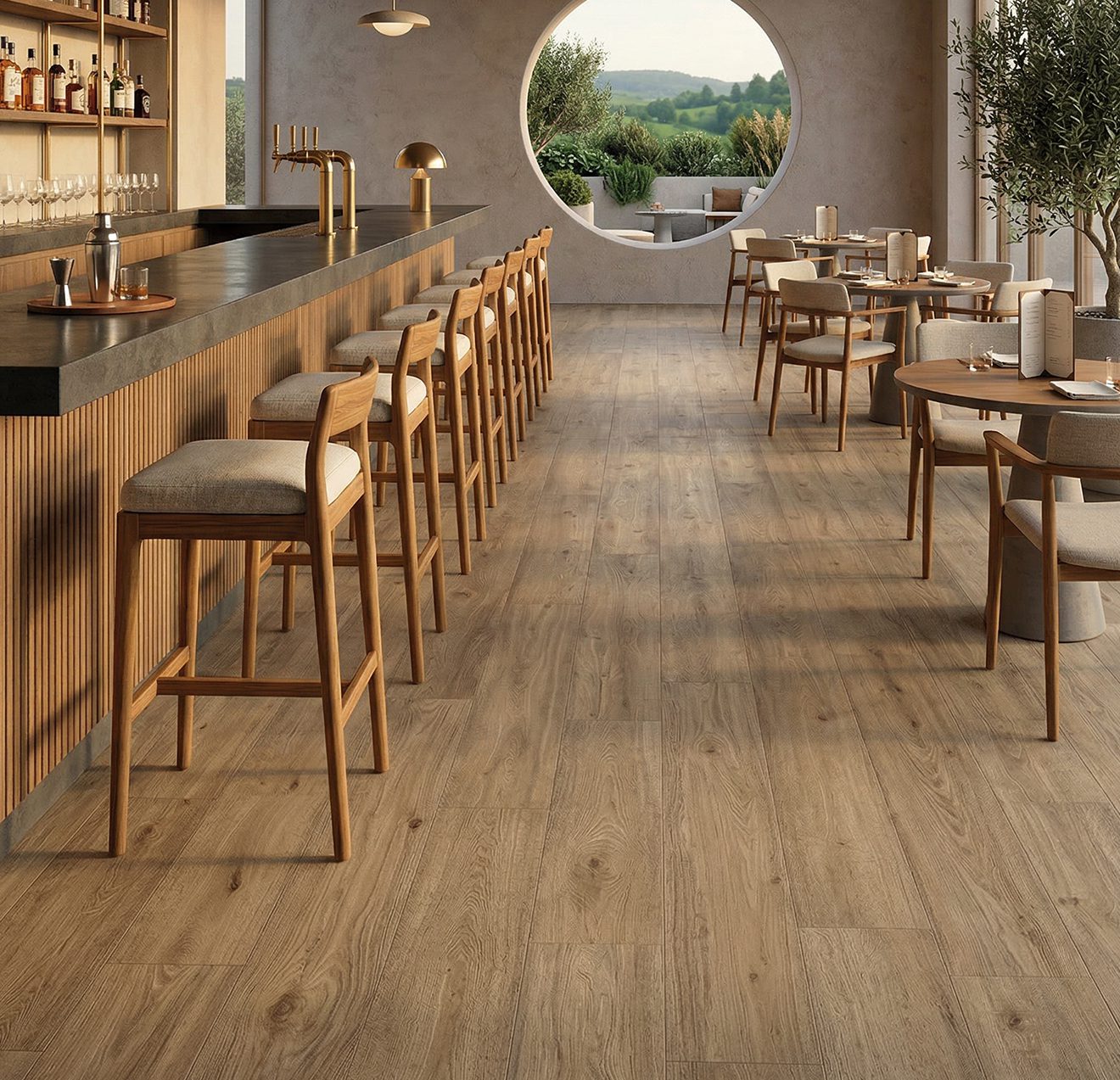
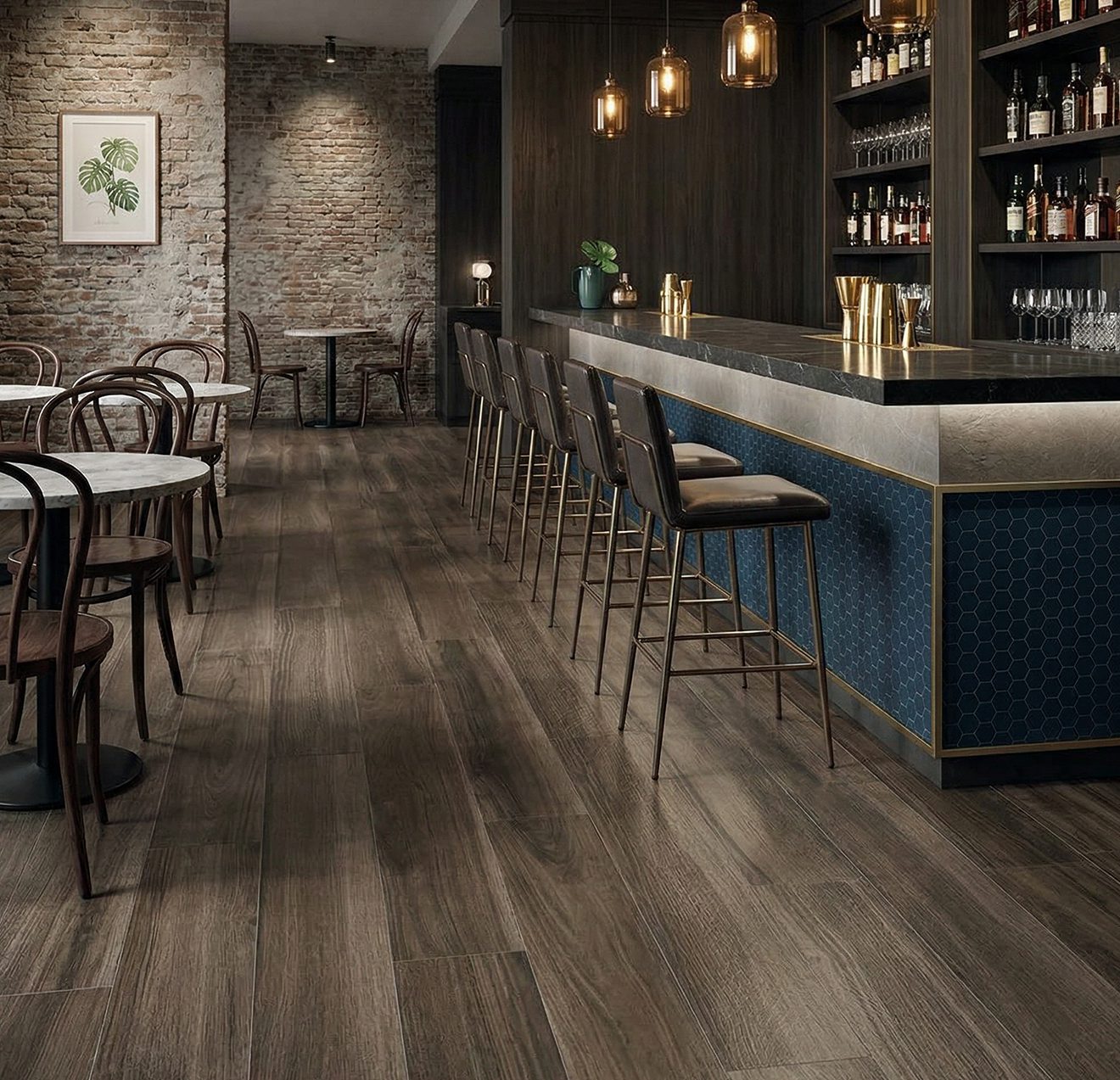
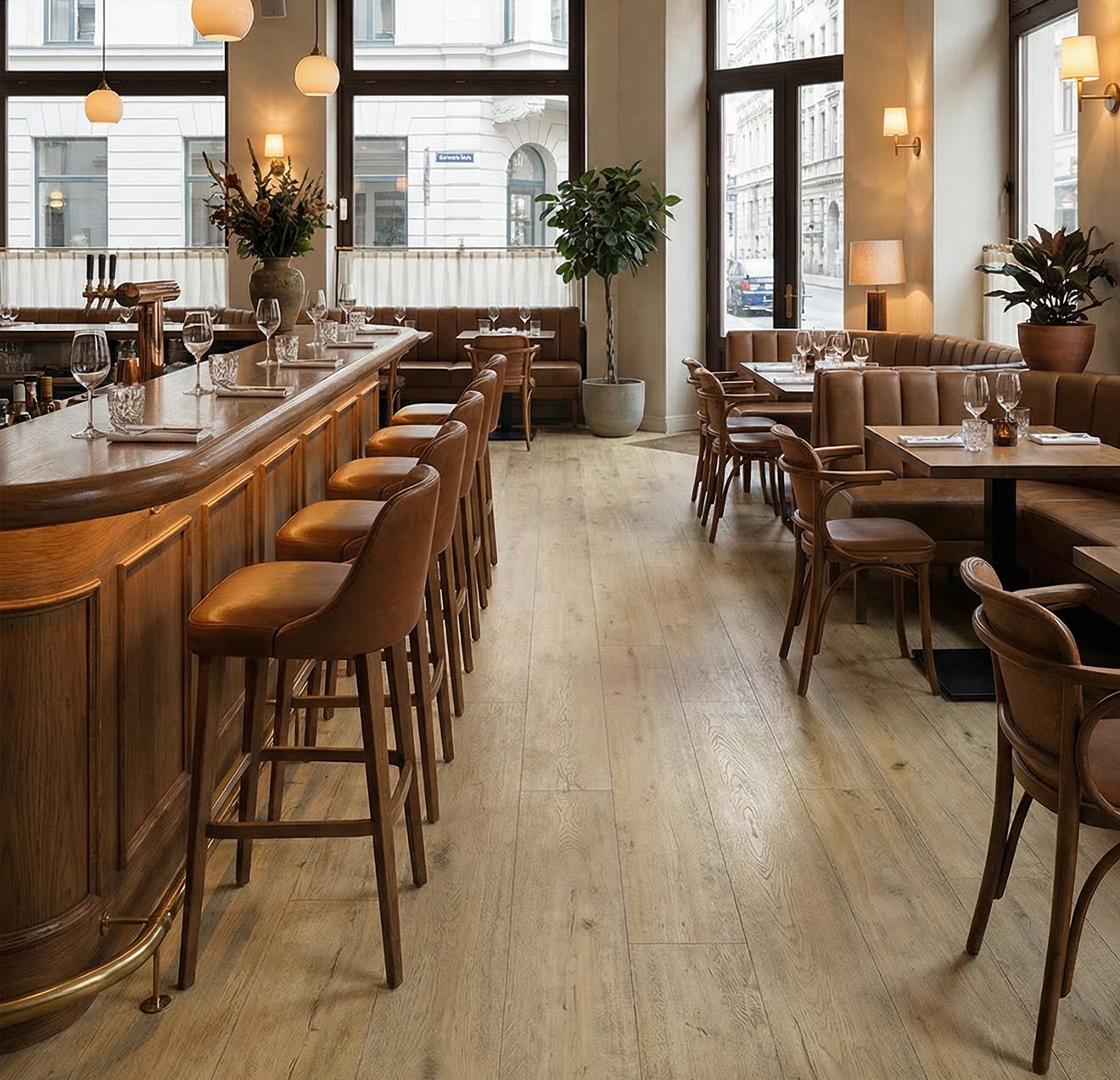
Timber-inspired surfaces bring warmth and rhythm into more architectural schemes, softening mineral-led palettes and introducing a sense of balance and tactility.

When paired with stone-effect finishes, they help create layered interiors that feel both grounded and naturally resolved across hospitality, workspace and residential environments.
Dering 2.0 GRCA37792
Blyton Hi-Tech TMCF51699
Dering 2.0 GRCA37791
Texture with intent
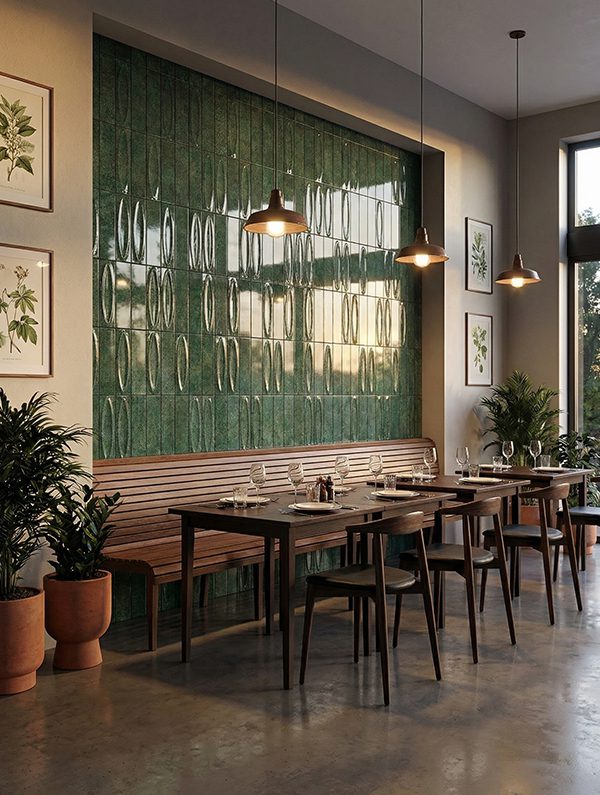
From organic, leaf-inspired forms to fluted and vertically laid surfaces, textured tiles introduce rhythm and tactility while creating distinctive feature walls. Balancing decorative detail with softer, tonal finishes, these surfaces add depth and character without overwhelming the scheme, ideal for hospitality and design-led commercial spaces.
Vibia EWDH55638 EWDH55638T1
Cavendish RDDB51722